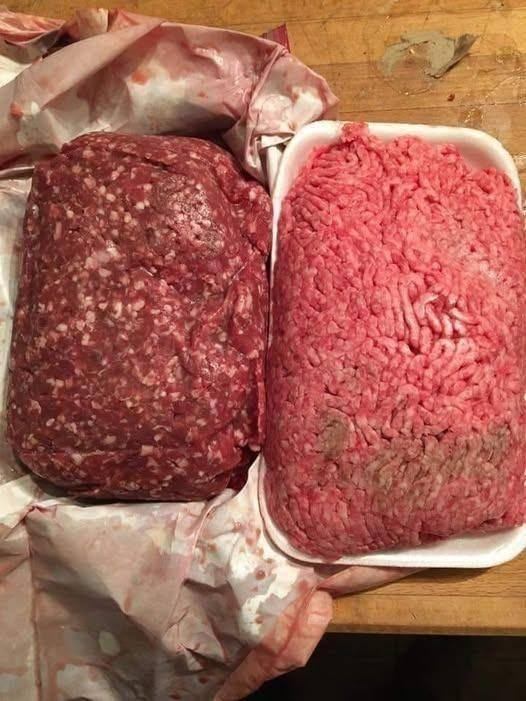
2. Sourcing and Transparency
Another important factor to consider is where the beef is sourced from. With store-bought beef, you’re often left in the dark about the origins of the meat. Even if the beef is labeled with the USDA stamp, it doesn’t necessarily mean the beef is from the U.S. The USDA label simply indicates that the animal was packaged in the U.S., and the beef could have come from various countries such as Argentina, Canada, or Brazil. In fact, many store-bought ground beef products are not sourced from a single cow, but rather scraps from multiple cows, which may not guarantee the highest quality meat.
On the other hand, with farm-raised beef, you have a clearer picture of where the meat is coming from. Many local farms sell beef from a single animal, which means you’re getting meat that’s more traceable and often more sustainable. You’ll know exactly where your food is coming from, and you can feel good about supporting local farmers who prioritize the welfare of their animals.
3. Quality and Nutritional Value
See more on the next page
Advertisement
